

The scars that come from being with a narcissist take significant time to heal. If you are not careful, narcissistic abuse will leave you deeply emotionally and mentally wounded. Betrayal trauma, intense grief, and processing of your eIf you were close to a narcissist, your body learned to stay alert long before your mind understood why.
You learned to scan tone.
You learned to doubt your memory.
You learned to hold grief quietly so things wouldn’t escalate.
Working as a trauma-informed counselor who often brings a quiet kind of clarity, where your experience is finally held without distortion, and your body can begin to soften is one of the most helpful parts of supporting people in their restorative path.
More than a weakness, it was survival.
But survival is not the end of your story.
Healing after narcissistic abuse does not mean becoming unbothered or forgetting what happened.
It means your nervous system no longer lives in constant defense.
Your inner voice starts to feel trustworthy again.
You stop bracing for emotional impact that never comes.
Thriving is possible.
Not quickly.
Not forcefully.
But gently.
And safely.
Recognizing the Abuse Without Self-Betrayal
One of the hardest steps is naming what happened.
Many people hesitate here because admitting it was abuse also means grieving the relationship they hoped would heal. That pause makes sense. Your body is protecting you from too much truth at once.
Narcissistic abuse often hides behind charm and false emotional closeness. They often display intensity that’s hard to resist. It includes gaslighting, blame-shifting, emotional withdrawal, and subtle control that slowly erodes self-trust.
Recognizing the abuse is not about labeling the narcissist.
It is about reclaiming clarity for yourself.
When you name what happened, your body often exhales for the first time in years.
That exhale matters.
When Healing Begins to Turn Toward Thriving
If you’re beginning to see the patterns of narcissistic abuse more clearly but still feel the weight it left in your body and mind, that is a natural part of healing. Understanding what happened is the first step, but restoration deepens as your nervous system learns to live without constant defense and your inner voice grows steady again. This is where that restoration can begin.
Start With One Conversation

In Texas and Ready for Deeper Support?
We provide online trauma-informed therapy for adults across Texas. If you’re ready to move from understanding what happened to rebuilding your self-trust and inner stability, start with a 30-minute clarity consultation ($50, applied to your first session if you continue).

Outside Texas, or Not Ready for Therapy Yet?
If you’re not located in Texas, or you’d prefer to begin privately and at your own pace, Break Free offers 30 days of steady, guided support to loosen the trauma bond and rebuild self-trust.
Tending to the Emotional Aftermath
Narcissistic abuse disrupts emotional regulation. Your feelings may come in waves that feel unpredictable or overwhelming. Anger may appear suddenly. Grief may linger quietly. Fear may surface without a clear reason.
This is not emotional instability.
It is a nervous system recalibrating after prolonged stress.
Start by noticing emotions without judging them.
You do not need to fix the narcissist.
You do not need to explain them.
Validation restores safety faster than logic ever could.
Processing betrayal trauma and grief is not linear. Some days feel clear. Others feel heavy again. Thriving means you stop interpreting those fluctuations as failure.
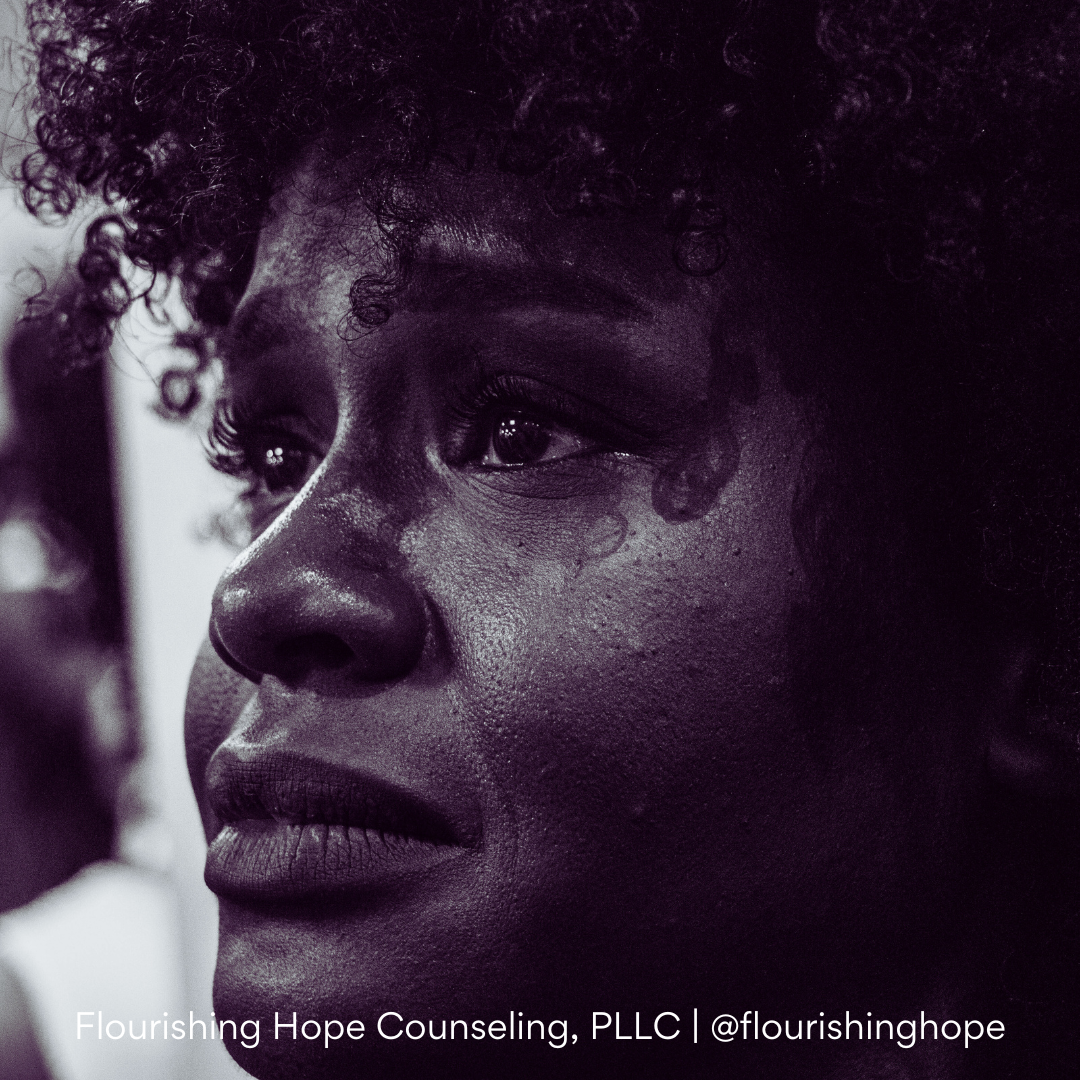
Your emotions are information.
They are not instructions.
Why Trauma-Informed Counseling Changes Everything
After narcissistic abuse, clarity does not come from thinking harder. It comes from being safely witnessed.
Counseling offers structure where chaos once lived.
It offers steadiness where unpredictability ruled.
Working with a trauma-informed counselor helps you:
- Untangle gaslighting from truth
- Understand trauma bonding without shame
- Restore trust in your intuition
- Learn nervous-system regulation tools that actually work
This is not about retelling the story endlessly.
It is about helping your body learn that the danger has passed.
Many clients share that their first sense of relief came simply from realizing they were not imagining it. That moment alone begins the healing.

Rebuilding Safety Through the Body
Your body carried the brunt of the abuse. It needs reassurance before it can release survival patterns.
Simple routines help restore stability:
- Regular meals and hydration
- Gentle movement
- Predictable sleep rhythms
- Morning and evening anchors
You do not need extreme discipline.
You need consistency that feels kind.
Movement releases stored stress. Sleep restores emotional processing. Routines signal safety to a nervous system that lived in unpredictability.
This is how confidence quietly rebuilds.
Narcissistic Abuse Survival Guide
Overwhelmed, exhausted, and feeling trapped in the cycle of narcissistic abuse? You’re not alone, and you don’t have to stay stuck. The Narcissistic Abuse Survival Guide is your lifeline, designed to help you regain clarity, calm your nervous system, and take back your power. Download your free guide today.

Giving Time the Respect It Needs
This is often the hardest truth.
Your heart may still care about the narcissist long after your mind understands the harm. Trauma bonds do not dissolve through willpower. They soften through safety and repetition.
Missing them does not mean you should return.
It means attachment was formed under stress.
Be patient with yourself here.
You are unlearning survival strategies that once kept you emotionally alive.
Healing does not respond to pressure.
It responds to permission.
Staying Focused on Your Healing Path
Comparison disrupts healing.
Some people feel relief quickly. Others move slowly. Both paths are valid. Triggers may resurface even years later. That does not erase progress.
Your healing is not a performance.
It is a relationship with yourself.
Notice what feels steadier now than before.
That is growth, even when it feels quiet.
Self-Care as Stabilization, Not Performance
Self-care after abuse is not aesthetic.
It is protective.
It may look like rest instead of productivity and fewer commitments.
It can look like letting yourself cry without correcting the emotion.
There is no ideal version of healing behavior. There is only what supports your nervous system today.
You are allowed to choose ease without earning it.
Practicing Self-Compassion Without Excuses
Self-compassion does not mean avoiding responsibility. It means separating survival from shame.
The adaptations you made were logical responses to emotional threat. Speaking to yourself with cruelty only prolongs the wound.
If you struggle here, imagine how you would respond to a woman you love who experienced the same harm. Let that tone guide your inner dialogue.
Gentleness accelerates healing more than criticism ever will.
Reconnecting With Support and Boundaries
Abuse isolates. Healing reconnects.
You do not need a large support system. You need safe people. Choose those who listen without minimizing or rushing your process.
Boundaries will feel uncomfortable at first. That discomfort does not mean you are doing something wrong. It means you are no longer abandoning yourself.
The narcissist may resist boundaries. Others might too. That resistance is information.
Boundaries are not punishments.
They are self-protection made visible.
Thriving Is Not Loud. It Is Steady.
Thriving after narcissistic abuse looks quieter than most people expect.
It looks like:
- Trusting your instincts again
- Sleeping without bracing
- Making decisions without panic
- Feeling emotionally present in your own life
You do not need to prove your strength.
You have already lived it.
This is where steady support makes restoration feel possible.

Start with guided support
A guided consultation created to help you untangle self-doubt, understand what support feels safe, and take your next step with clarity and steadiness.

Or begin at your own pace
Self-guided support through the Reclaiming Power & Inner Peace Bundle, designed to help you heal, rebuild self-trust, and move forward on your terms.
No pressure. No rush. Just support that meets you where you are. You’re in control of what comes next.